








President Ferdinand R. Marcos Jr. secured high-value economic and diplomatic gains during his four-day state visit to Japan this week, highlighting elevated strategic ties, fresh investment pledges, and deeper bilateral cooperation between Manila and Tokyo.
This week’s outcomes were seen as a significant step in advancing the Philippines’ strategic alliance with key partners in the Indo-Pacific and supporting the Marcos administration’s economic transformation agenda.
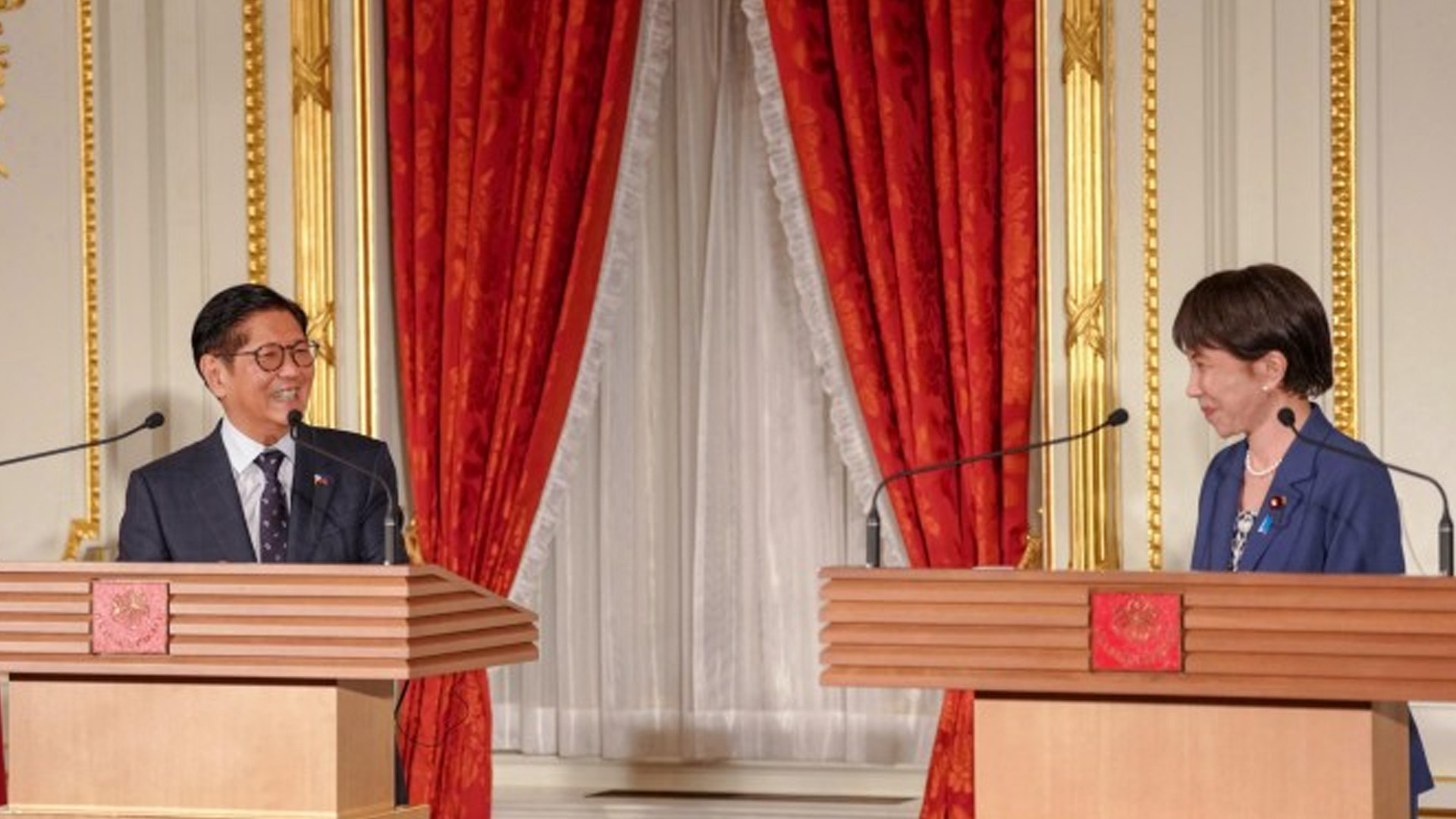
A key milestone of the President’s state visit was the formal elevation of Philippine-Japan relations into a Comprehensive Strategic Partnership following his summit meeting with Japanese Prime Minister Takaichi Sanae on Thursday.
Marcos and Takaichi also reaffirmed their commitment to expand economic, energy, decarbonization, defense, security, and maritime cooperation between the Philippines and Japan.
Several agreements were also signed, including a deal on the avoidance of double taxation, as well as expanded cooperation in agriculture, fisheries, health services, and human resource development.
The visit also reinforced Japan’s role as one of the Philippines’ closest economic and development partners, with continued support for priority sectors and capacity-building programs.
Investment pledges
The series of high-level engagements in Japan yielded multibillion-peso investment pledges from major Japanese firms and investors, expanding cooperation in key areas and generating thousands of jobs for Filipinos.
Major Japanese companies committed to invest USD3.4 billion (PHP210 billion) in the Philippines, following their roundtable meeting with Marcos on Wednesday, reflecting sustained investor confidence in the Philippines as a competitive destination for foreign direct investment in Asia.
The investment pledges cover key growth sectors, such as electronics, semiconductors, shipbuilding, renewable energy, logistics, and digital industries, with expected job creation and technology transfer expected to contribute to the Philippines’ long-term growth.
The commitments are seen to strengthen the country’s integration into higher-value global supply chains, particularly in advanced manufacturing and green technologies.
The administration is expecting the investments to generate thousands of employment opportunities for Filipinos while strengthening regional industrial linkages.
Expansion plans
Marcos’ series of meetings with Japanese business leaders also generated PHP56 billion in potential investments, which will create an additional 10,300 direct and indirect jobs for Filipinos.
This developed after Marcos on Thursday met with executives of major Japanese firms, such as Furukawa Electric Corp., Sumitomo Electric Industries, MinebeaMitsumi, Inc., and Tsuneishi Group.
The talks focused on expanding existing operations in the Philippines and identifying new opportunities for joint ventures and long-term commercial partnerships.
Marcos also highlighted ongoing policy reforms and infrastructure improvements aimed at enhancing the ease of doing business and attracting high-quality investments.
Japanese companies expressed interest in expanding participation in the shipbuilding industry, advanced electronics manufacturing, semiconductor production, artificial intelligence-driven technologies, and green maritime industries.
The proposed investments are expected to be further refined in the coming months.
Philippines as a strategic investment hub
In his meeting with top executives of leading Japanese firms in Tokyo, Marcos presented the Philippines as a strategic investment hub in Southeast Asia.
He flaunted the country’s demographic advantage, expanding consumer market, and improving infrastructure network as key drivers of competitiveness.
The high-level roundtable and meetings with business leaders served as a platform to present incentives and reforms to create a more conducive environment for foreign investors.
‘Rare’ interaction with Imperial Family
Marcos and First Lady Liza Araneta-Marcos also had the “rare” opportunity to receive a warm welcome from the Japanese Imperial Family.
The state banquet hosted by Emperor Naruhito and Empress Masako for the President and the First Lady on Wednesday was only the second held since the Covid-19 pandemic, the Presidential Communications Office said.
Marcos also had a personal interaction with Emperor Naruhito, sharing recollections of past experiences and mutual academic ties, which added a human dimension to the diplomatic visit.
In a light moment, he gifted the Emperor an oversized halo-halo glass and spoon after learning through a mutual friend that the Japanese monarch had developed a fondness for the beloved Filipino dessert.
The Imperial Couple bid farewell to Marcos at the Imperial Palace before the latter returned to Manila on Friday.
Historic address
On Thursday, Marcos also addressed the National Diet – composed of Japan’s national legislature composed of the House of Representatives (Lower House) and the House of Councilors (Upper House) – a rare privilege accorded to select foreign leaders.
Marcos is the fourth Philippine leader to speak before the National Diet, following former presidents Elpidio Quirino, Gloria Arroyo, and the late Benigno Aquino III.
In his speech, Marcos emphasized the importance of upholding international law, maritime security, and a rules-based order in the Indo-Pacific.
He also underscored the deepening bilateral cooperation between the two nations in security, maritime and defense, resilient supply chains, AI, space technology, clean energy, and digital innovation.
Appreciation for Filipino community
Marcos also met with members of the Filipino community on Tuesday as the kick-off activity in his four-day state visit to Japan.
During the meeting, Marcos expressed gratitude for the contributions and sacrifices of overseas Filipinos working across various sectors in Japan, including factories, offices, schools, hospitals, hotels, restaurants, and construction sites.
An estimated 350,000 Filipinos live and work in Japan, data from the government showed.
Urgent local concerns
Before his trip to Japan, Marcos undertook decisive domestic interventions on disaster response, infrastructure rehabilitation, and government restructuring.
Marcos on Monday led the inspection of the rehabilitated Sunog Apog Pumping Station in Tondo, Manila, marking a milestone in the administration’s flood mitigation program in Metro Manila.
The facility, which had remained non-operational since its completion in 2020, was fully restored after rehabilitation works ordered by the President in November last year.
Also on Monday, Marcos directed the Department of Social Welfare and Development (DSWD) to sustain assistance to families affected by the massive fire at the Parola Compound in Binondo, Manila.
The DSWD reported that more than 2,000 families were affected by the fire.
Meanhile, another leadership change was confirmed this week, following the appointment of former senator Francis Tolentino as the new head of the Department of Labor and Employment, replacing Secretary Bienvenido Laguesma who stepped down due to health reasons. (PNA)