










National Museum Highlights Laoang Islets’ Role In Ancient Trade

Sinuri ng National Museum ang kontribusyon ng Batag at Cahayagan Islands sa sinaunang network ng kalakalan sa dagat.

Western Visayas Athletes Eye Better Showing In 2026 Palaro

Inaasahan ang mas mataas na antas ng performance mula sa Western Visayas athletes sa darating na 2026 Palaro.

DSWD Completes Typhoon Tino Cash Aid Payout In 3 Negros Occidental LGUs

Tiniyak ng DSWD na lahat ng kwalipikadong pamilya sa tatlong LGUs sa Negros Occidental ay nakatanggap na ng kanilang cash aid.

Samar Provincial Hospital Opens Free Dialysis Center

Layunin ng bagong pasilidad na mapagaan ang gastusin ng mga pasyente sa Samar na sumasailalim sa dialysis treatments.

Bicolano Engineer’s Invention Promises Cooler Indoor Spaces With Heat-Reducing Paint

Bicolanong engineer nakaimbento ng pintura na nakakabawas ng init sa loob ng kwarto.

Bicolano Engineer’s Invention Promises Cooler Indoor Spaces With Heat-Reducing Paint

2208
2208

How do you feel about this story?

Like
Love
Haha
Wow
Sad
Angry

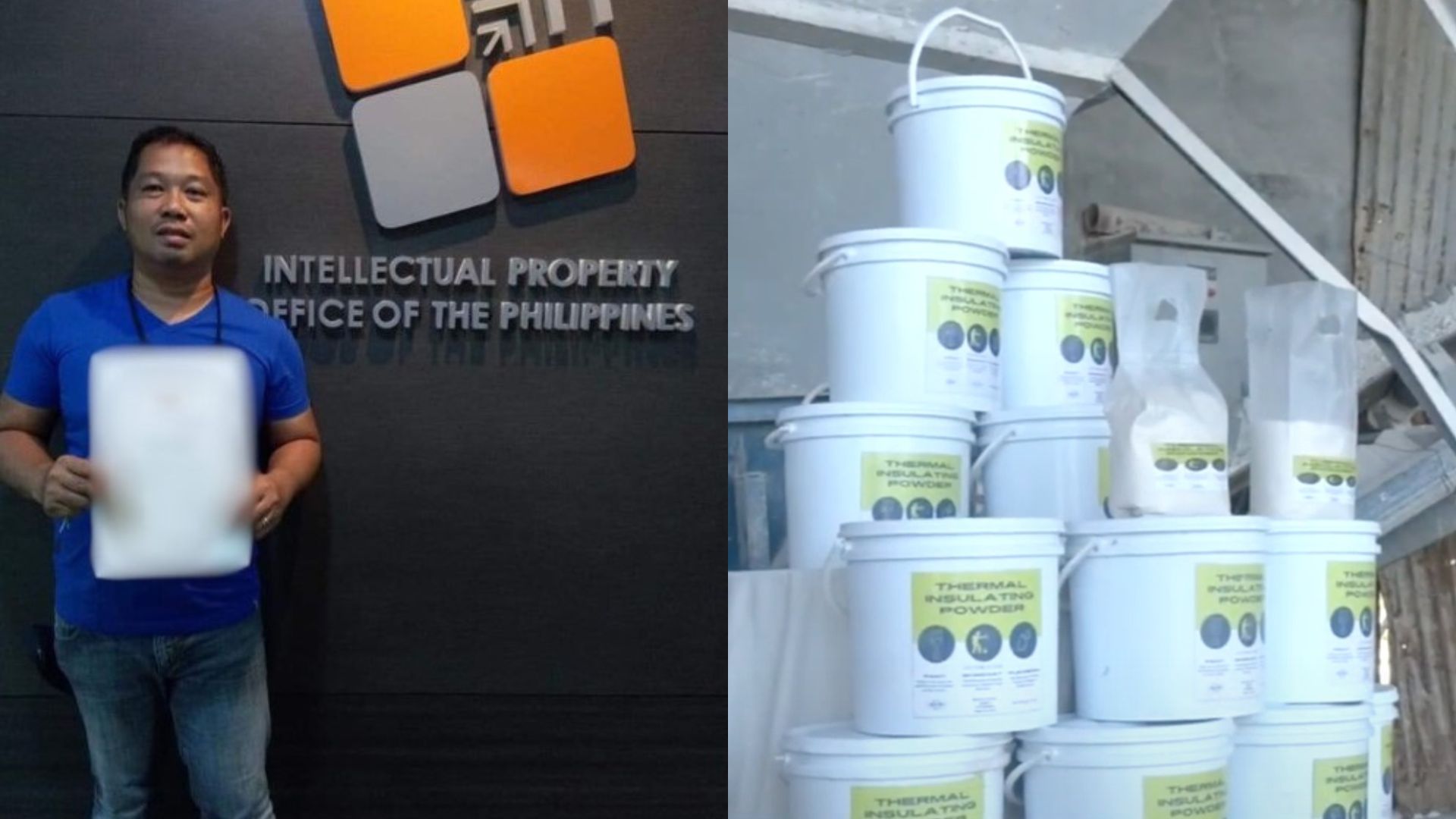
Engineer Dexter de Castro from Naga City, Camarines Sur, has developed a thermal insulating powder capable of reducing indoor temperatures by 30% to 60% when applied as a coating or paint.

As reported by GMA News’ Balitang Bicolandia, this project was inspired by NASA’s technology. Invented in 2019, it utilizes a coat used in space shuttles, composed of pre-cracked ceramic tiles with high silica content, alumina, and nano ceramic particles, as its model.

De Castro’s powder, made from a mixture of soil and silica clay or white clay, has undergone testing by Engineer Junval Parco. After application to walls directly exposed to heat, Parco noted a significant reduction in temperature with just two coatings. Formerly struggling to sleep due to the heat, he now finds his walls much cooler.

Parco has integrated the powder into his projects, receiving positive feedback from customers. De Castro offers a bucket of insulating powder for PHP1,620 and a kilogram for PHP330. He also plans to patent his invention, a process that typically takes 48 months.


H/T: Balitang Bicolandia
Photo Credit: Balitang Bicolandia
