



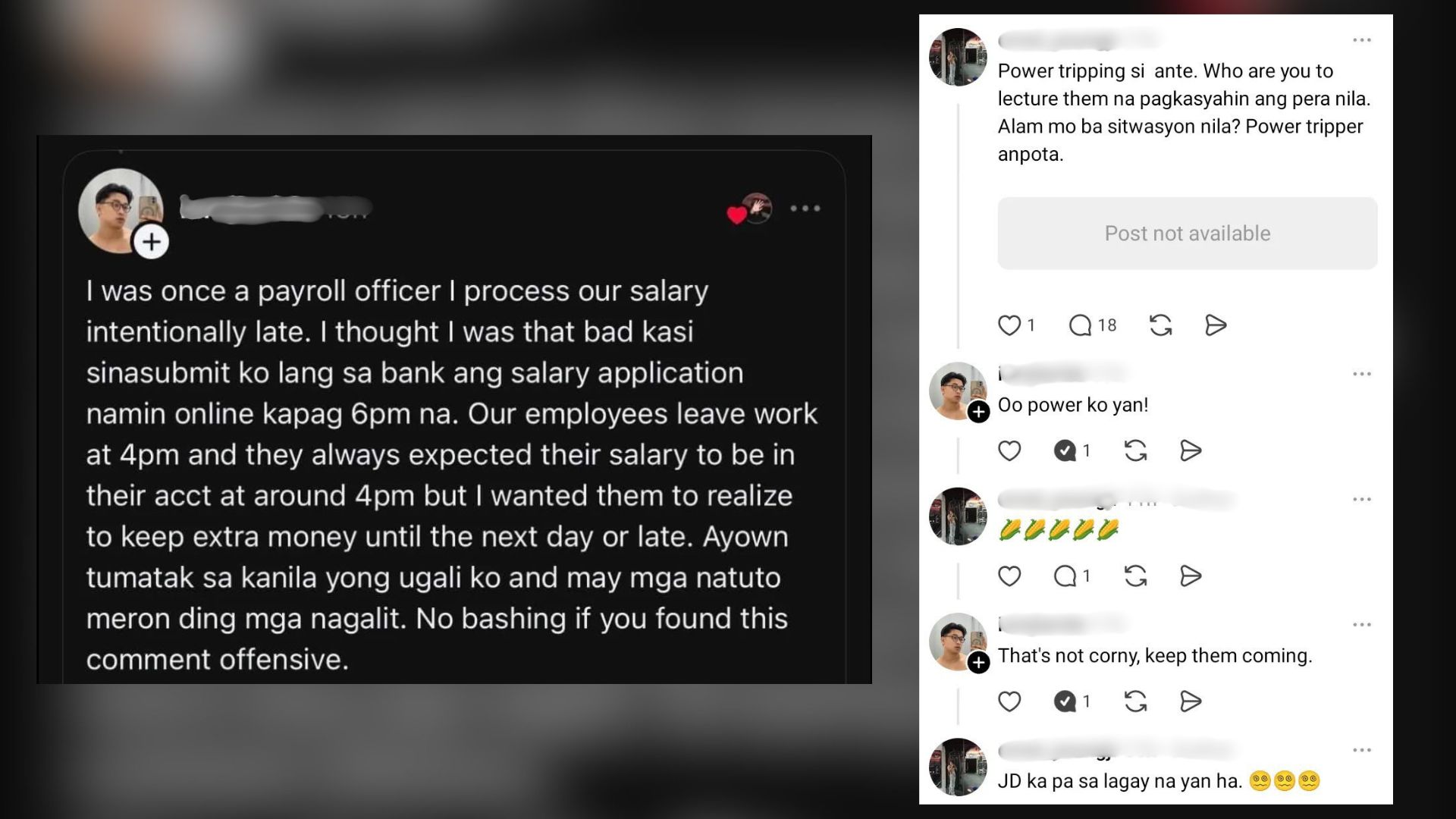







A social media post by a user identified as “iamjlaride” has drawn attention online after the individual admitted to intentionally delaying salary processing while working as a payroll officer, according to a screenshot bearing the account’s handle.
In the post, he stated that during the time in the role, he deliberately submitted payroll applications to the bank later than expected, specifically around 6 p.m., despite employees anticipating their salaries to be credited by 4 p.m., which coincided with the end of the workday. He said the delay was intended to encourage employees to manage their finances by retaining money until the following day or later.
The post described the action as a personal decision, with the user acknowledging that some employees were affected by the practice. “Our employees leave work at 4 p.m. and they always expected their salary to be in their account at around 4 p.m. but I wanted them to realize to keep extra money until the next day or late,” the post read.
He added that while some individuals reportedly learned from the experience, others expressed dissatisfaction. The statement also included an appeal for restraint in criticism, noting “no bashing if you found this comment offensive.”
The post quickly caught the attention of human resources professionals online, who were swift and vocal in their criticism, calling it a serious breach of professional ethics and trust. Many emphasized that a payroll officer’s role carries a direct fiduciary responsibility to employees, and that deliberately withholding timely salary disbursement, regardless of intent — is not a personal judgment call to make unilaterally.
This is not financial literacy advocacy. This is abuse of access, encapsulating the prevailing sentiment among practitioners. Others noted that the admission, however casually framed, could constitute a labor violation depending on the employment contracts and company policies in place, and called on organizations to review internal controls over payroll processing to prevent similar incidents.
The broader online audience also responded with overwhelming disapproval. What began as a niche post rapidly escalated into a trending discussion, with critics arguing that employees living paycheck to paycheck are most harmed by even minor delays in salary crediting, a reality the poster appeared to have dismissed.
The post did not specify the company involved, the number of employees affected, or the duration over which the practice was implemented.
No independent verification of the claims has been provided, and there has been no official response from any employer or institution mentioned in relation to the post. The admission has nonetheless raised questions among online audiences regarding payroll practices and employee expectations on salary disbursement timing.
Labor regulations in many jurisdictions typically require employers to release wages on agreed schedules, although exact timing within a given day may vary depending on company policy and banking processes. The post did not indicate whether the delays violated any formal agreements or policies.
The situation remains limited to the individual’s account as presented in the social media post, with no further details disclosed about any consequences or follow-up actions related to the admission.